Our Programs
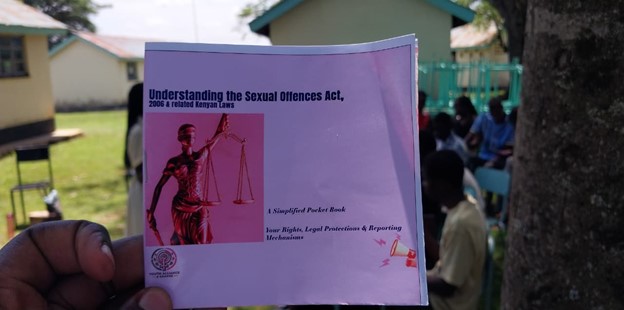
Legislative and Policy Frameworks
YA4C conducts community education on legal rights to strengthen understanding of county, national, and international legal frameworks addressing Violence Against Women and Girls (VAWG). Through structured, gender-transformative community trainings designed by and for communities, we empower women and girls while fostering collective responsibility to prevent and respond to violence.

Community Mobilization & Strategic Advocacy
YA4C implements targeted interventions that engage men, women, and community leaders to promote positive masculinities, respectful relationships, and peaceful conflict resolution. This work is delivered through coordinated advocacy campaigns across mainstream and social media, storytelling, dialogue with targeted audiences, and thought-provoking articles published on the YA4C blog.
We also advance institutional change by engaging government institutions and private sector actors to strengthen internal policies, review codes of conduct, and challenge gender stereotypes through staff trainings and awareness-raising initiatives.

Responding to Survivors of Violence
YA4C coordinates survivor referrals from communities where violence occurs and supports access to justice pathways. This includes linkage to health services for physical and psychological care and legal assistance to safeguard the rights, safety, and wellbeing of survivors of gender-based violence.
We consistently collect and analyse service-related data to assess survivor satisfaction and strengthen the quality and effectiveness of response services.
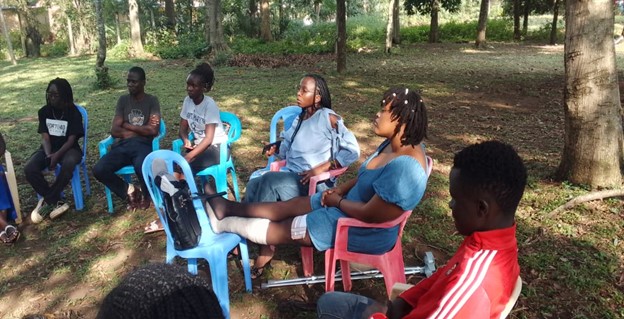
Data, Research, Analysis & Use
YA4C conducts qualitative research to document community attitudes and perceptions on gender equality and violence. This work strengthens understanding of the contexts in which violence occurs and identifies prevention entry points, service gaps, and cross-sectoral response opportunities.
Evidence generated informs our programming, advocacy, and engagement with duty bearers to drive data-driven, survivor-centred, and rights-based interventions.